Thirty Years On, Will the Guilty Pay for the Horror of Ceausescu Orphanages?

”Courtesy of Guardian News and Media Ltd.”


By 1989, when the dictator was killed, up to 20,000 had died in Romania’s children’s homes. Now criminal cases may finally be held and those responsible for these deaths, brought to justice.

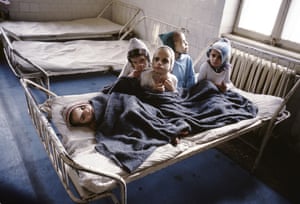
They were the pictures that, for many across the world, were the defining image of the aftermath of Romania’s 1989 revolution: emaciated children clothed in rags, looking into the camera with desperate eyes amid the squalid decay of the country’s orphanages.

Christmas Day will mark 30 years since Nicolae Ceaușescu, Romania’s megalomaniac, isolationist dictator, was convicted in an impromptu trial and shot dead together with his wife. His execution ended more than two decades of rule that brought poverty and misery to the majority of the country’s population.

In the three decades since his fall, only a handful of people have faced legal punishment for their roles in Ceaușescu’s repressive regime, and there have been no criminal cases over the tens of thousands of children mistreated by the regime’s inhumane network of juvenile internment institutions.

The country’s orphanages began to fill up from the late 1960’s when the State decided to battle a demographic crisis by banning abortion and removing contraception from sale.

Many of the children in the orphanages were abandoned by parents too poor to look after them.

The most horrific abuses took place in orphanages for disabled children, who were taken away from their families and institutionalised. At the age of three, disabled children would be sorted into three categories; curable, partially curable and incurable. Across the country, there were twenty-six institutions for category three disabled children. Investigators from the Institute picked three to investigate and found shocking mortality levels amongst the children. Seventy percent of the registered deaths were from pneumonia. There is testimony of children suffering from frostbite, of children literally being eaten by rats, being kept in cages or being smeared in their own faeces.

The list of those being prosecuted for the deaths is classified.

Deaths in Siret Horror Orphanage.

Siret is a town situated in Suceava County, North-Eastern Romania, only two kilometres from the border with Ukraine.  It is an isolated place; ideal to hide away children not considered ”normal”. In the 1980’s, during the Communist era, Siret was home to 2,000 orphaned, sick and abandoned children.

Criminal complaint for the death of 340 children, in the Siret horror orphanage, during communism. Valentin Nas shared the link.

The image of the children in the Siret Orphanage is from the personal archives of Ronald Federici.

BY FLAVIA DRĂGAN | Updated: June 25, 2018 – 5:21 PM

The Institute for the Study of Communist Crimes (IICMER) has filed a complaint with the Attorney General’s Office concerning the inhumane treatment of orphaned children confined in the Siret Hospital for Children with Chronic Neuropsychiatric Condition (HCCNC). 340 children died there between 1980 and 1989.

IICCMER has denounced the deaths which occurred in the last decade of the communist regime. The largest number of deaths, 81 children, was recorded in 1981.

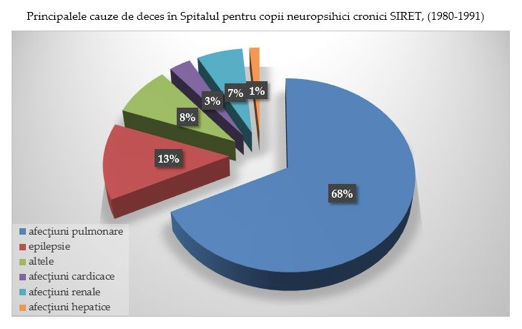
According to IICCMER’s statement released to the editorial, most children died of illnesses that could be treated, and for most of them the deaths were caused by the inhumane way they were treated in the orphanage. A very large number of children have died during winter, most of them due to pneumonia, epilepsy, heart, kidney, and liver diseases.

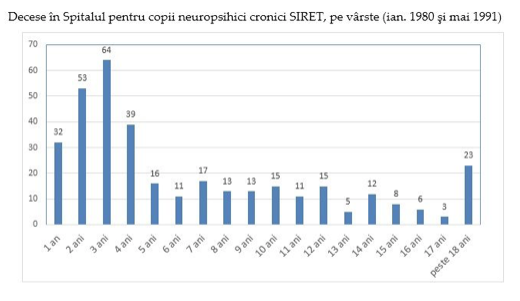
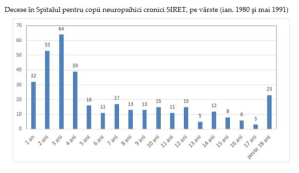
Figure: Deaths in the Siret HCCNC, by age (Jan. 1980 through May 1991)
SOURCE: IICCMER

Most children died when they were between one and four years old. Many of the children admitted to the Siret orphanage were from Suceava County, but also from Bucharest, Bihor, Timiş, Dâmboviţa, Constanţa.

Figure: Evolution of deaths in the Siret HCCNC (1980-1991)

“Following the analysis of death documents and death certificates, carried out by IICCMER experts and by a team of forensic pathologists, we have found that, on the one hand, there were increased mortality rates in the case of easily preventable or early diagnosable and properly treatable pathologies, and, on the other hand, there were deaths that support, by their very nature, our conclusions regarding the existence of a regime characterized by inhumane treatments applied to minors in the hospital.”

309 employees at the hospital-orphanage in 1989

The HCCNC was operating under the Ministry of Health and was headed by a doctor/manager appointed by order of the minister. Since its inception in 1956 until 1991, the hospital has been administered by nine doctors, and the last of them has been running the hospital-orphanage for 24 years.

At the end of the 1980s, the orphanage included 14 specialist doctors, 109 nurses, 115 auxiliary staff, 12 administrative staff, 12 staff runing the school and 47 workers.

There is a legend that hundreds of children were left to die in a field.

Since the establishment of the hospital-orphanage in 1956 until 2001, 1,500 children have died of the total of 8,886 children who have been placed in the Siret institution.

After the death of 81 children in 1981, the number of deaths fell in 1982 and 1983 following the management’s decision to transfer out a very large number of children.

Figure: Main causes of death in the Siret HCCNC (1980-1991)
– Pulmonary affections 68%
– Epilepsy 13%
– Others 8%
– Heart conditions 3%
– Kidney problems 7%
– Liver problems 1%
SOURCE: IICCMER

Among the staff who worked at Siret HCCNC during the communist era there is a legend of an order coming from the Communist Party leadership regarding the fast release from hospital of a large number of patients, an order which was quickly executed at the end of November 1983. The hospital register has recorded the transfer of 750 children over just a few days at the end of November 1983. According to former employees, a large number of these children, especially those with unknown parents, have never reached their transfer destinations, being instead isolated on a field and left to die without being registered.

IICMER states that it could not confirm the information, but it continues the checks.

Criminal complaints to follow for the period 1956-1980

IICCMER said it would file criminal complaints for inhumane treatments for the period 1956-1980, but “given the high volume of work, we can not predict when the actions will materialize,” the Institute’s spokeswoman added.

Last summer, IICCMER has filed another criminal complaint with the Attorney General’s Office for the inhumane treatment of children hospitalized in the Cighid, Păstrăveni and Sighetu Marmaţiei home-hospitals. 771 children have died there from 1973 to 1990. In that case, the prosecutors from the Attorney General’s Office have started in criminal investigations.

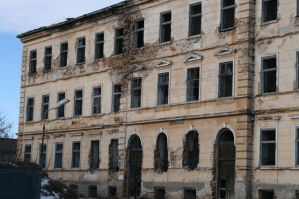
Credit photo: Monitorul de Suceava; photo of the Orphanage Building.

Romania’s Lost Generation- Inside the Iron Curtain’s Orphanages


Girls eating lunch at a Romanian Orphanage. Photo courtesy of Tom Szalay.

http://www.abc.net.au/radionational/programs/allinthemind/inside-the-iron-curtain’s-orphanages/5543388


Child Abuse in Romania; Behind the Iron Curtain

Home / SOCIETY & PEOPLE / SOCIAL / 771 children died during 1966-1990 in the Romanian foster homes, IICCMER says.
June 2; 2017.
foster homes

771 children died during 1966-1990 in the Romanian foster homes, IICCMER. in SOCIAL, SOCIETY & PEOPLE        The Institute for the Investigation of Communist Crimes and the Memory of Romanian Exile (IICCMER) has filed a denunciation to the Prosecutor’s Office for inhuman maltreatment over children admitted to foster homes during the communist regime in Romania. The case mainly refers to the sick or disabled children who used to be admitted in the hospital foster homes in Cighid, Pastraveni and Sighetu Marmatiei.

According to IICCMER for Gândul online daily, a total of 771 children died in there during 1966-1990, most of them due to medical causes that could have been prevented or treated. The IICCMER experts and legists say the cases revealed that children were submitted to inhuman treatments and aggressions. Overall, there were over 10,000 such victims in the communist foster homes.

These children used to be considered irrecoverable from the medical point of view, suffering severe handicaps, but many of them were orphans or abandoned by their parents and reached those centers without having serious diseases, IICCMER says.

One of these children abandoned in the foster home in Sighetu Marmatiei was Izidor Ruckel, now aged 37. He escaped the center after he has been adopted by an American family, right after 1990. He told his tragic story to the IICCMER experts.

They used to beat me and another boy with a broomstick so badly that I thought I was going to die. They used to sedate us, they kept us isolated,” Izidor recounted, as quoted by Gândul.

Romania’s Institutions For Abandoned Children Caused Life-Long Damage; Dr. Victor Groza

Romania’s Institutions Caused Lifelong Damage

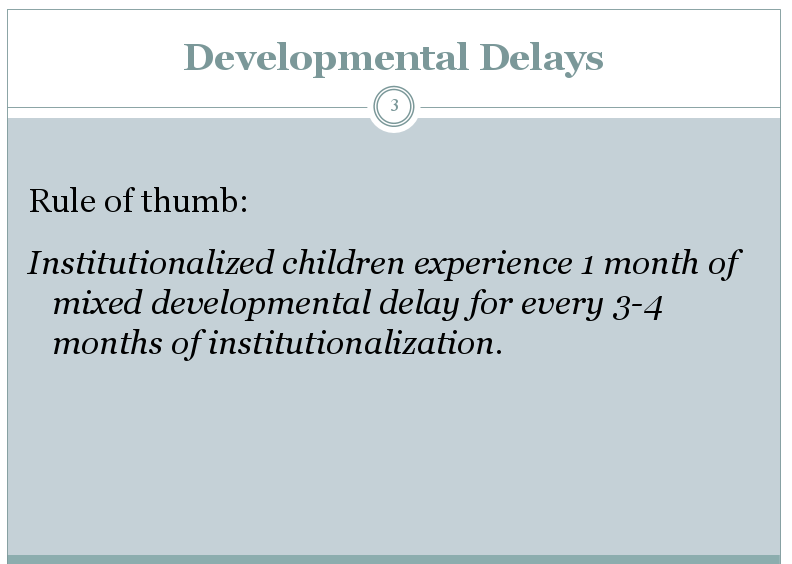
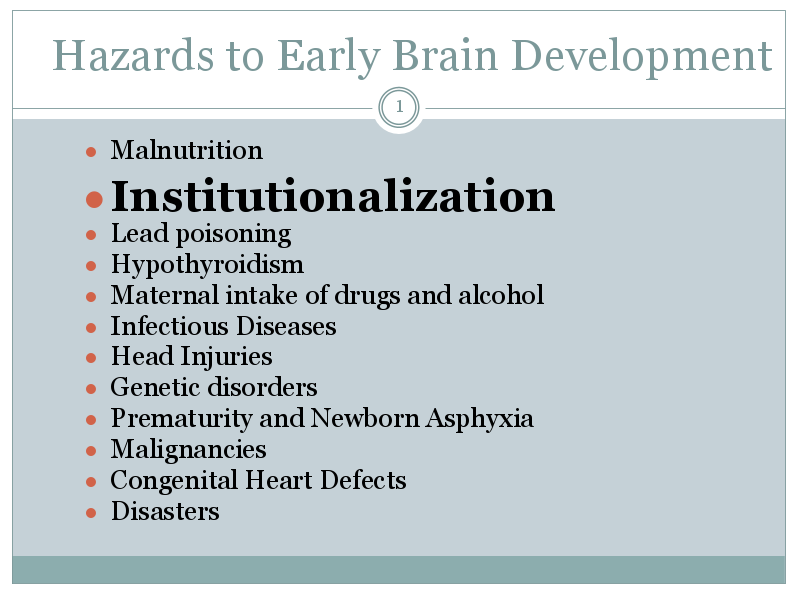
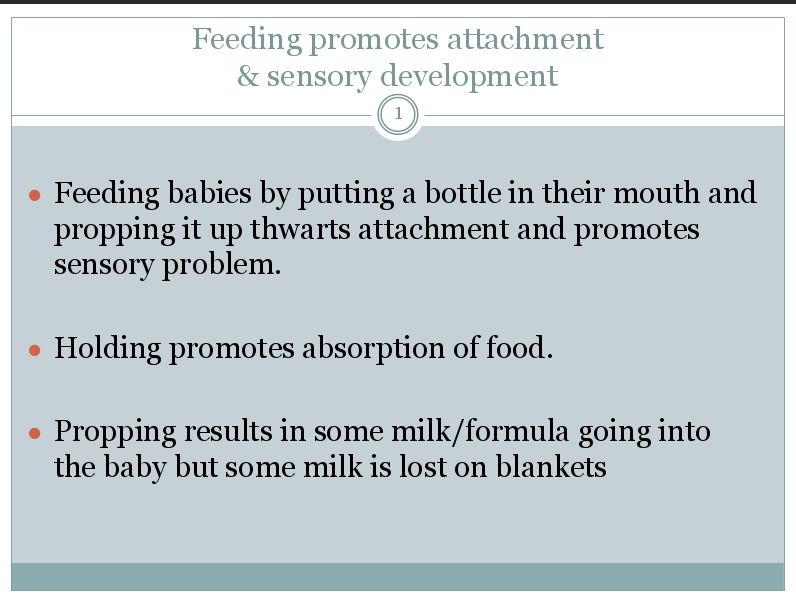
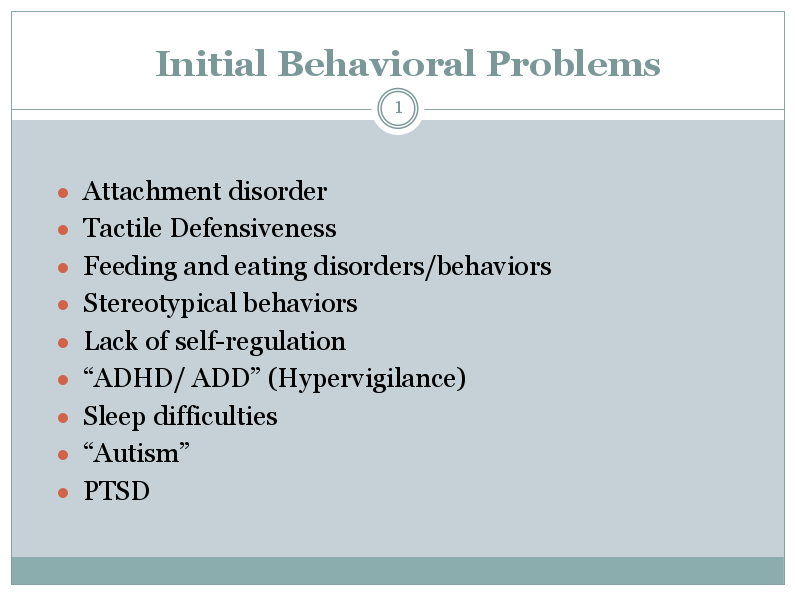
Screen shot 2016-02-04 at 1.32.46 PMScreen shot 2016-02-04 at 1.42.42 PMScreen shot 2016-02-04 at 1.40.22 PMScreen shot 2016-02-04 at 1.43.35 PMScreen shot 2016-02-04 at 1.44.40 PMScreen shot 2016-02-04 at 1.46.34 PMScreen shot 2016-02-04 at 1.47.27 PMScreen shot 2016-02-04 at 1.47.04 PMScreen shot 2016-02-04 at 3.16.31 PMScreen shot 2016-02-04 at 1.49.37 PMScreen shot 2016-02-04 at 1.52.59 PMScreen shot 2016-02-04 at 1.51.23 PMScreen shot 2016-02-04 at 1.50.16 PMScreen shot 2016-02-04 at 1.53.31 PMScreen shot 2016-02-06 at 12.46.19 PM

Romania’s institutions have a history of neglect, physical, sexual and emotional abuse which still continues to this day and causes emotional, physical, and mental scars.

Institutionalized care, according to Dr. Victor Groza, the Grace F. Brody Professor of Parent-Child Studies at the Mandel School of Applied Social Sciences at Case Western Reserve University in Cleveland, Ohio, causes problems with developmental, physical, psychological, social and brain health. Dr. Groza stated, “The regimentation and ritualization of institutional life do not provide children with the quality of life, or the experiences they need to be healthy, happy, fully functioning adults.” They are also unable to form strong and lasting relationships with adults, leading to severe problems with socialization, primarily building trust and lasting relationships amongst adults and children alike.
This article, kindly provided by Dr. Victor Groza, is an easy to follow guide to the risks inherent to children institutionalised at an early age. Dr. Groza has been developing social work education and promoting best practices in child welfare and domestic adoptions in Romania, since 1991.
Victor Groza; PhD,LISW-S Grace F. Brody Professor of Parent-Child Studies, Director; Child Welfare Fellows Program Jack, Joseph and Morton Mandel School of Applied Sciences, Case Western Reserve University, Cleveland, Ohio.http://msass.case.edu/faculty/vgroza/  – Faculty website for further reading.

https://www.facebook.com/adoptionpartners/?fref=ts  – Website about Professor Groza’s post-adoption practice.