”Come Find Me” a Documentary by Noriflorentina Vito

This film depicts an authentic journey of the heart.

A very brave woman searches for answers as she seeks to uncover the truth about her adoption from Romania and to find her birth family.

Following the Romanian Revolution of 1989, Western media uncovered approximately one hundred thousand abandoned children living in institutions where death, disease and abuse were the norm.

Parents from countries such as England, Ireland, America, Canada, Germany, Australia and New Zealand, travelled to Romania to adopt these children in the hope of giving them a better life.

In the early 1990’s, there were estimates of approximately 1,000 children a week being adopted internationally.

Many of these children were not orphans but were abandoned by their parents due to poverty. 

The surge in International Adoptions led to widespread unethical practices, corruption and human trafficking.

In response, the Romanian government implemented stricter adoption laws and regulations and subsequently introduced a ban on International Adoptions in 2001.

This ban was lifted in 2005, but the process of International Adoption from Romania is long and complex and restricted to couples where one of the couple is Romanian or single women who are Romanian. 

Link to watch the story below:

https://www.pbs.org/video/come-find-me-bz3tpj/

Children of Decree 770. by Adele Rickerby

This is what happened in Romania when Abortion was banned.

Photo of an abandoned child in a cot in the Institute for the Unsalvageables located in Sighetu Marmatiei, a town in Transylvania at Romania’s Northern border with Ukraine. 1992. Copyright, Thomas B. Szalay photography.

On the first of October, 1966, Nicolae Ceausescu enacted Decree 770, which caused untold suffering for the women and children of Romania.

Decree 770 declared abortion and contraception illegal, except for women over forty-five, women who had already borne four children ( later raised to five), women whose lives would be in danger if their pregnancy were to go full-term, and women who had conceived through rape or incest.

In 1966, the population of Romania was approximately nineteen million. With decree 770, Ceausescu’s aim was to increase the population to thirty million by the year 2,000, in the belief that population growth would lead to economic growth. By 1976, the population had increased to approximately twenty-one million. An increase of about two million or twelve percent.

Women of child-bearing age were subjected to monthly gynaecological examinations to monitor a pregnancy or ensure that an illegal abortion was not carried out.

There was a monthly tax on childless people twenty-five years and over, married or not.

Any doctor convicted of performing an illegal abortion faced a jail term of between ten to twenty years. Despite this, illegal backyard abortions took place, sometimes resulting in sterility, infections and even death.

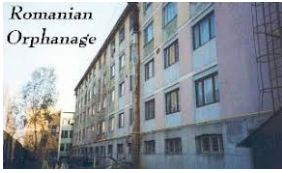
During these dark days of Communism, thousands of babies were abandoned by their impoverished parents into State-run institutions. After Ceausescu and his wife, Elena were executed by firing squad on Christmas Day, 1989, journalists from around the world descended on Romania and discovered the horror of these institutions. Approximately one-hundred thousand children had been abandoned in these institutions, where children were malnourished, neglected and physically and sexually abused.

Children born during this time were called ”Decretei”, children of the Decree. Decretei comes from the Romanian word ”Decree” meaning ”Decree”.

Empty shop shelves and queues for food were common during Communist era Romania. Lack of food meant malnourished mothers gave birth to premature and underweight babies. Hospitals fed these babies intravenously with unscreened blood. Hypodermic needles were in short supply and used over and over again without proper sterilisation. As a result of which more than ten thousand babies were infected with H.I.V causing an epidemic of A.I.D.S.

Once a baby or child had been abandoned into a hospital or institution, it was uncommon for biological parents to visit on a regular basis or to take their child back home.

thepromisekept.co is my facebook page where I share posts to the global community about Non Government Organizations working on social justice issues such as; child abandonment, poverty, education, and human trafficking.


Hope and Homes For Children; Romania. Deinstitutionalisation

In 2018, almost 6,500 children in Romania still live in institutions, which are inappropriate for their development.

Reports of sexual abuse, physical abuse, emotional abuse, child-trafficking and suicide, consistently appear in the media regarding the abandoned children in these institutions.

Over the past twenty years, Hope and Homes for Children, Romania, has closed 56 institutions, including the Nassau Foster Centre, and built and moved institutionalised children to one hundred and four family type homes.

http://www.hopeandhomes.org/news-article/mark-and-caroline-romania-honours/


Romania Without Orphans Alliance Report on Adoption

The degree of declaration of adoptability did not increase at all one year after the revised law on adoption was implemented, keeping it below 6% of the number of children in the system.

In March 2016, there were 57,581 children who had been abandoned by their families and entered the child protection system.

This report is the result of an analysis of the situation of abandoned children in the child protection system, carried out by the Romania Without Orphans Alliance.

The report was made public at the start of the A.R.F.O Summit, held in Bucharest, November 2017.

The report shows that the declaration of adoption for children where there is no possibility of being reunited with their biological families, is hampered by over exaggerated legislation and poor implementation of legislation.

The very small number, only 1.5% of children being adopted, highlights a worrying practise to keep children in institutions.

Another aspect highlighted by the report is that, whilst private organisations are not allowed to provide services unless they are licensed, 83% of public services do not have a license and do not meet mandatory minimum standards.

Raportul ARFO cu privire la situația copiilor din sistemul de protecție

Screen Shot 2020-05-06 at 13.30.08
An abandoned child. Photo credit; Thomas B. Szalay Photography (copyright).

Romania’s Institutions For Abandoned Children Caused Life-Long Damage; Dr. Victor Groza

Romania’s Institutions Caused Lifelong Damage

Screen shot 2016-02-04 at 1.32.46 PMScreen shot 2016-02-04 at 1.42.42 PMScreen shot 2016-02-04 at 1.40.22 PMScreen shot 2016-02-04 at 1.43.35 PMScreen shot 2016-02-04 at 1.44.40 PMScreen shot 2016-02-04 at 1.46.34 PMScreen shot 2016-02-04 at 1.47.27 PMScreen shot 2016-02-04 at 1.47.04 PMScreen shot 2016-02-04 at 3.16.31 PMScreen shot 2016-02-04 at 1.49.37 PMScreen shot 2016-02-04 at 1.52.59 PMScreen shot 2016-02-04 at 1.51.23 PMScreen shot 2016-02-04 at 1.50.16 PMScreen shot 2016-02-04 at 1.53.31 PMScreen shot 2016-02-06 at 12.46.19 PM

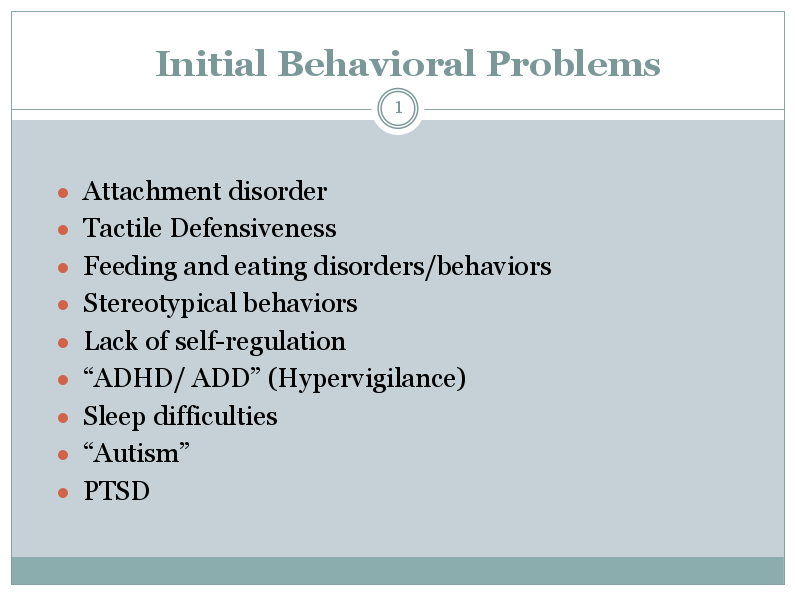
Romania’s institutions have a history of neglect, physical, sexual and emotional abuse which still continues to this day and causes emotional, physical, and mental scars.

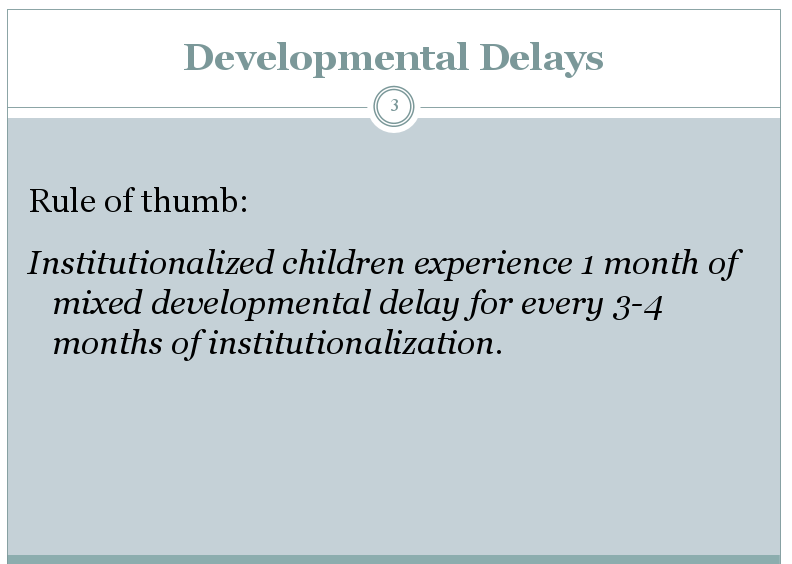
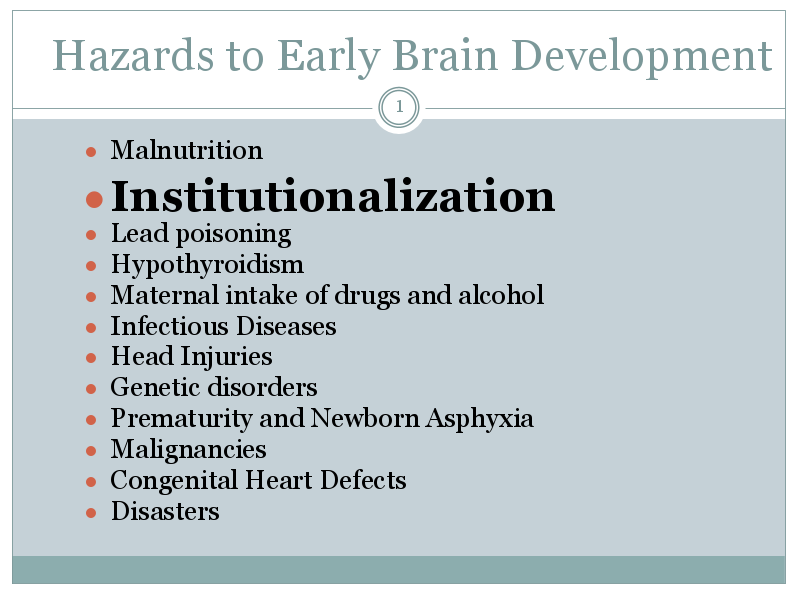
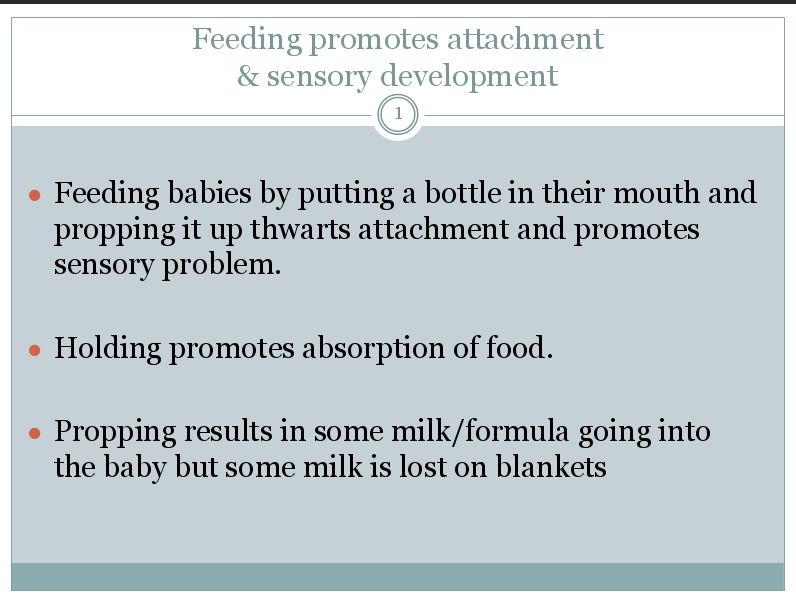
Institutionalized care, according to Dr. Victor Groza, the Grace F. Brody Professor of Parent-Child Studies at the Mandel School of Applied Social Sciences at Case Western Reserve University in Cleveland, Ohio, causes problems with developmental, physical, psychological, social and brain health. Dr. Groza stated, “The regimentation and ritualization of institutional life do not provide children with the quality of life, or the experiences they need to be healthy, happy, fully functioning adults.” They are also unable to form strong and lasting relationships with adults, leading to severe problems with socialization, primarily building trust and lasting relationships amongst adults and children alike.
This article, kindly provided by Dr. Victor Groza, is an easy to follow guide to the risks inherent to children institutionalised at an early age. Dr. Groza has been developing social work education and promoting best practices in child welfare and domestic adoptions in Romania, since 1991.
Victor Groza; PhD,LISW-S Grace F. Brody Professor of Parent-Child Studies, Director; Child Welfare Fellows Program Jack, Joseph and Morton Mandel School of Applied Sciences, Case Western Reserve University, Cleveland, Ohio.http://msass.case.edu/faculty/vgroza/  – Faculty website for further reading.

https://www.facebook.com/adoptionpartners/?fref=ts  – Website about Professor Groza’s post-adoption practice.

TO MY FOSTER CHILD; A Poem By Megan Simmonds

You are my child, with tousled hair

And fresh, scrubbed face, sleeping there.

Your well-loved toys around your head,

Your battered slippers on the bed.

I could creep out

Just leave a smile,

But perhaps I’ll sit here for a while.

I’ve kept you warm and fed and dry,

I’ve wiped the teardrop from your eye.

We’ve fought, we’ve laughed

Through bad through good,

But most, I hope, you’ve understood.

You gave me love, a hug, a smile.

Yes, perhaps I’ll sit here just a while.

Tomorrow, you will leave with Mum,

Uncertain whether harder times will come.

It’s not enough to love and feed,

For, deep down, it is Mum you need.

It’s harder now to raise a smile.

I’ll just sit here and watch you for a while.

There will be another when you have gone,

But, just like losing my unborn,

Each child’s a person, different, new,

So I will shed a tear or two.

It is good you are sleeping,

For I can’t smile.

I’ll just sit here and weep a while.

You are so loved, but you are not mine.

In a way, I am yours, so that’s just fine.

I chose to give you of my heart,

To share, to help and then to part.

So, though you’ll barely wave, I’ll bravely smile,

And continue to love you for a long, long, while.

Copyright ;  Megan Simmonds.

Photo courtesy of annie-spratt; Unsplash